


Blake Munroe
-
Posts
6206 -
Joined
-
Last visited
Content Type
Profiles
Texas Longhorns News
2025 Recruits
2024 Schedule
2026 Recruits
2025 Schedule
2027 Recruits
2026 Schedule
2028 Recruits
Gallery
Downloads
Forums
Blogs
Store
Everything posted by Blake Munroe
-

OTF Premium 2025 MLB Draft Thread | Longhorn Tracker
Blake Munroe replied to CJ Vogel's topic in On Texas Football Forum
They’re gone. Too far to realistically happen. -
OTF Premium 2025 MLB Draft Thread | Longhorn Tracker
Blake Munroe replied to CJ Vogel's topic in On Texas Football Forum
Should, yes. -
OTF Premium 2025 MLB Draft Thread | Longhorn Tracker
Blake Munroe replied to CJ Vogel's topic in On Texas Football Forum
Pirates will take Hernandez. -
OTF Premium 2025 MLB Draft Thread | Longhorn Tracker
Blake Munroe replied to CJ Vogel's topic in On Texas Football Forum
Mariners taking Kade Anderson was a great pick imo, as was the Rockies With Holliday. -
OTF Premium 2025 MLB Draft Thread | Longhorn Tracker
Blake Munroe replied to CJ Vogel's topic in On Texas Football Forum
OU losing their top commit and him being No. 1 overall was a shock. -
A new (but random) Texas betting line is out…
Blake Munroe posted a topic in On Texas Football Forum
-
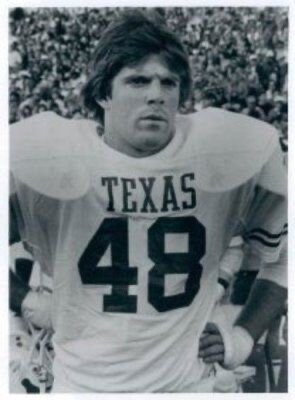
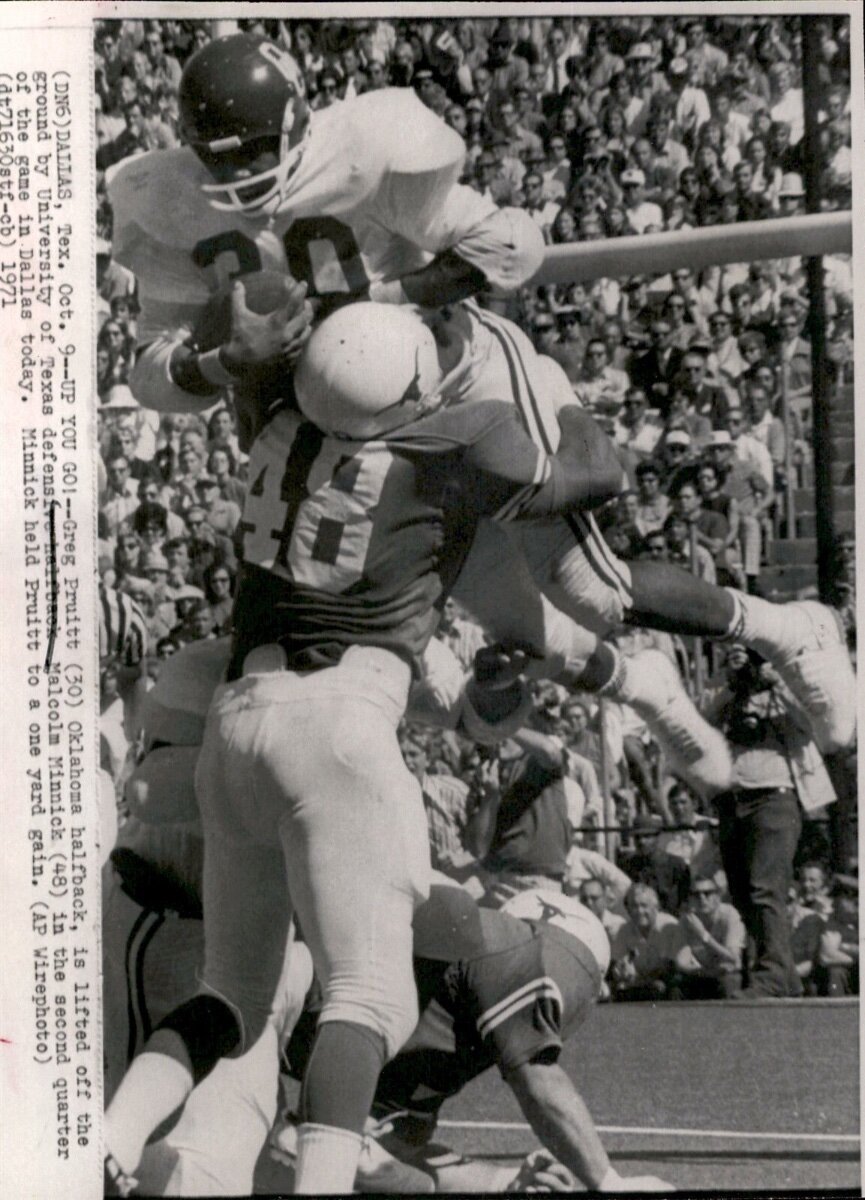
48 Days Until Kickoff — Who’s Your Favorite No. 48?
Blake Munroe replied to Blake Munroe's topic in On Texas Football Forum
Ty Allert (Linebacker, 1982–85) • All-Southwest Conference Selection: Allert earned All-Southwest Conference honors, recognizing his excellence as a linebacker in the competitive SWC. • 1985 Team MVP: He was named the Texas Longhorns’ team MVP in 1985, highlighting his leadership and on-field impact. • Third in Career Solo Tackles: Allert’s 287 career solo tackles rank third all-time among Texas linebackers, showcasing his consistency as a tackler. • Fourth in Single-Season Solo Tackles: His 107 solo tackles in 1984 are the fourth-highest single-season total in Texas history. • Seventh in Career Sacks: Allert recorded 27 career sacks, including 10.5 in 1985, placing him seventh all-time in Texas program history. • 1983 Southwest Conference Champion: He contributed significantly to Texas’ 1983 SWC Championship team as a key defensive player. • NFL Draft Pick: Allert was selected in the fourth round of the 1986 NFL Draft by the San Diego Chargers, launching a five-year professional career. Malcolm Minnick (Defensive End, 1972–73) • Two-Time All-Southwest Conference Selection: Minnick earned All-Southwest Conference honors in 1972 and 1973, recognizing his excellence as a defensive end in the Southwest Conference. • Key Defensive Contributor: He was a standout on Texas’ defensive line, helping the 1973 team secure the program’s fifth straight SWC title despite a 25th-ranked national defense. • Consensus All-SWC in 1973: Minnick was one of nine Longhorns named consensus All-Southwest Conference in 1973, underscoring his role in a dominant conference run. • Transitioned to Defensive End: Originally a linebacker, Minnick was moved to defensive end midseason in 1971, showcasing his versatility and adaptability under coach Darrell Royal. • Contributed to 1972 Cotton Bowl Victory: Minnick played a key role on the 1972 team that finished 10–1 and defeated Alabama in the Cotton Bowl Classic, solidifying Texas’ dominance. • Part of Historic SWC Streak: He helped Texas achieve a 40–2 SWC record from 1968–73, including six straight conference titles, a testament to his contribution to a dynasty. -
We are now 48 days away from when the Longhorns will open the season against the buckeyes in Columbus. Who is your favorite Horn to wear No. 48? options today include… Ty Allert Malcolm Minnick

-
Who scores first against Ohio State?
Blake Munroe replied to Blake Munroe's topic in On Texas Football Forum
They’re each +1300. -
Who scores first against Ohio State?
Blake Munroe replied to Blake Munroe's topic in On Texas Football Forum
Agreed on Baxter. -
Who scores first against Ohio State?
Blake Munroe replied to Blake Munroe's topic in On Texas Football Forum
O/U is more applicable here. -
Who scores first against Ohio State?
Blake Munroe replied to Blake Munroe's topic in On Texas Football Forum
D/ST is actually an option and it’s at +3000. -
Odds have been released, which I’ll post below… but I’m curious who yall would take?
-
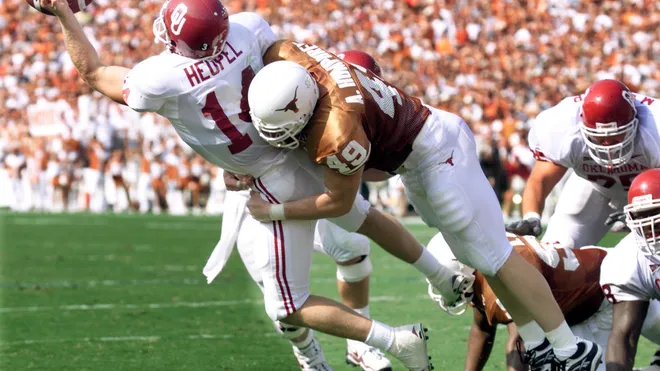
We’re under 50 days, ladies and gentlemen… as we are now 49 days away from the kickoff in Columbus for the season opener. Who’s your favorite No. 49 ever for the Longhorns? Options today include… Aaron Humphrey Kicker Mason Shipley is the current No. 49
-
Paul Finebaum says Texas will beat Ohio State
Blake Munroe posted a topic in On Texas Football Forum
-
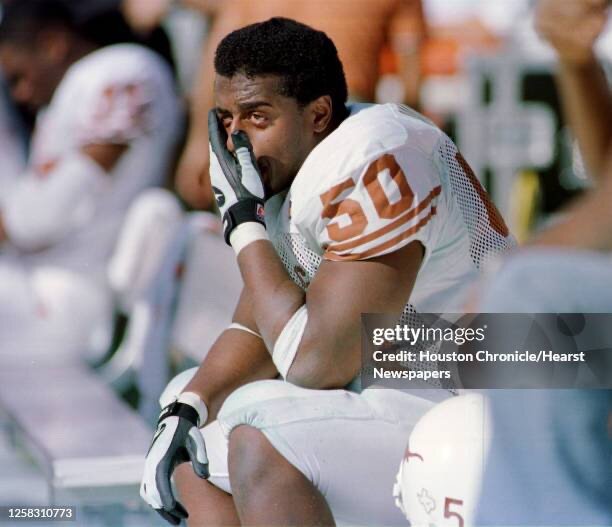
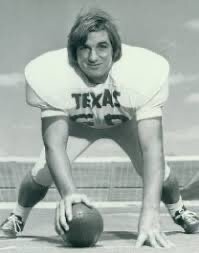
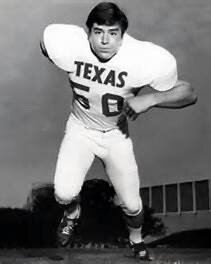
We are officially halfway there on our countdown, as we’re now 50 days away from kickoff! Who is your fav No. 50? Options today include… Bobby Wuensch Bill Wyman Cedric Woodard
-
New Jersey Numbers Announced (Friday 7:40 AM)
Blake Munroe posted a topic in On Texas Football Forum
The Longhorns have updated their roster and officially announced the jersey numbers for both the portal and high school players who enrolled during the summer. The full roster can be found here: https://texaslonghorns.com/sports/football/roster/2025 -
Coffee and Football is the place to be this morning, starting around 8:15 AM. Well answer your questions and talk the latest Texas news and notes.
-
Join us for Coffee and Football starting around 8:15 AM. We will take your questions, discuss the latest topics to do with the Longhorns and more!
- 1 reply
-
- 2
-

-
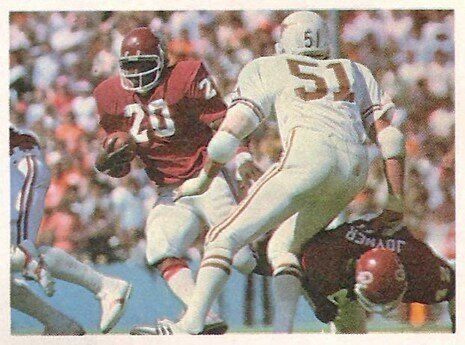
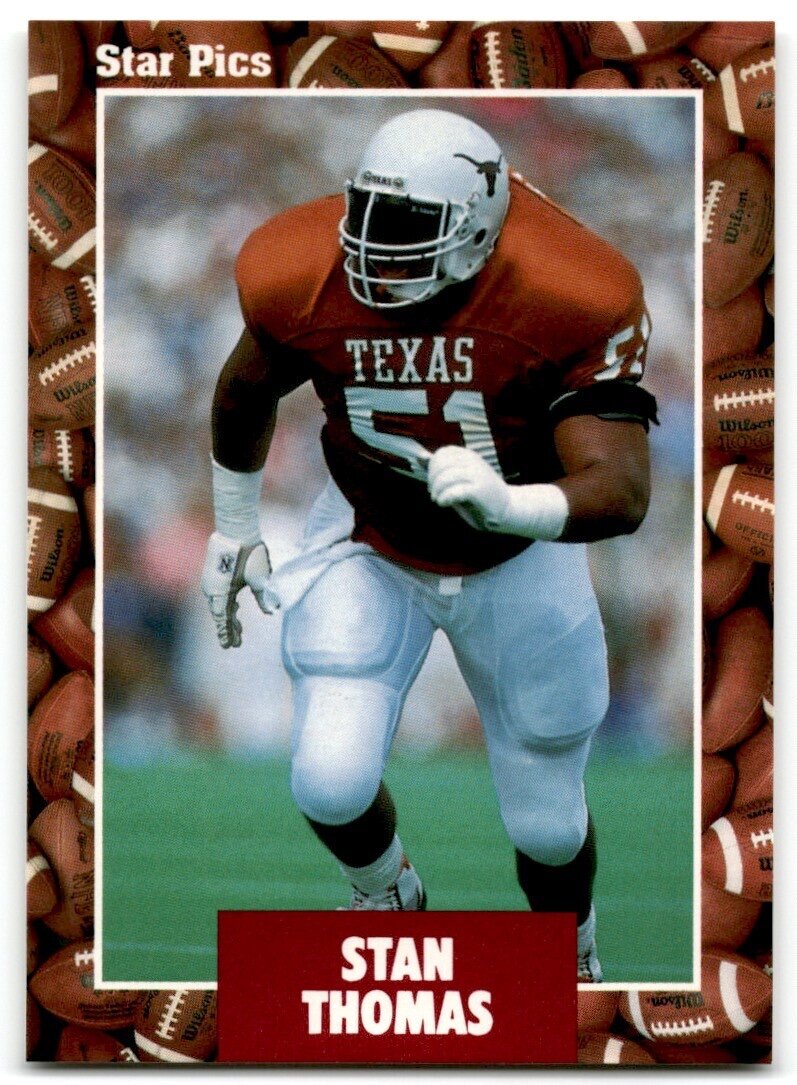
We are now at 51 days before the Longhorns battle the Buckeyes in the season opener. Who’s your favorite Horn to wear No 51? Some options… Bruce Scholtz Stan Thomas
-
He’s really not.
- 26 replies
-
- 15
-

-
-
Thanks for joining us over here… if you have any questions or suggestions, don’t be afraid to ask. We’re glad you’re here!
-
Coffee and Football: Wednesday 07/09
Blake Munroe replied to Blake Munroe's topic in On Texas Football Forum
Tony on now, John Turntine Jr. in a bit! -
We'll be discussing this on the show this morning, but wanted to post here as well. Phil Steele is high on the Horns, as Texas ranks in the top ten of nearly every position group ranking.
-
52 Days Until Kickoff — Who’s Your Favorite No. 52?
Blake Munroe replied to Blake Munroe's topic in On Texas Football Forum
More on Forrest: Career Overview • Position: Offensive Tackle/Center • Years Active: 1967–1969 • Key Achievement: Inducted into the Texas Longhorns Hall of Honor in 2017 • Notable Season: 1969, when he was a key member of the national championship team under coach Darrell Royal. Contributions and Impact • 1969 National Championship: Wiegand was a three-year starter and a critical part of the offensive line during Texas’ 1969 national championship season. His blocking helped power the Longhorns’ famed Wishbone offense, which was instrumental in their 15-14 victory over No. 2 Arkansas in the “Big Shootout,” a game that decided the national title with President Richard Nixon in attendance. A memorable moment captured in a photograph shows Wiegand celebrating with a “jump for joy” after running back Jim Bertelsen’s tying touchdown in that game. • Team Success: During Wiegand’s tenure, Texas compiled a strong record, including a 9–1–1 record in 1968 (Southwest Conference co-champions, Cotton Bowl victory over Tennessee) and a perfect 11–0 season in 1969. His contributions were vital to the team’s dominance in the Southwest Conference, winning titles in 1968 and 1969. • Versatility: Wiegand played both offensive tackle and center, showcasing his adaptability and strength on the line. His high snap in the 1969 Arkansas game was notable, but holder Donnie Wigginton secured it for a successful extra point that clinched the victory. Accolades and Legacy • Hall of Honor: Wiegand’s induction into the Texas Longhorns Hall of Honor in 2017 reflects his lasting impact on the program. This recognition highlights his role as a linchpin of one of Texas’ most celebrated teams. • Team Camaraderie: Wiegand’s connection with his teammates extended beyond the field. He participated in reunions, including a 2013 event at the Clinton Presidential Library for a documentary screening about the Big Shootout, underscoring the enduring bond among the 1969 team members. • Historical Significance: The 1969 team, with Wiegand’s contributions, was ranked the 17th-best team in college football’s 150-year history, and the Big Shootout was listed as the 29th-best game of the era, emphasizing his role in a defining moment for the sport